

What Is a 40 Foot Concession Stand?
A 40 foot concession stand is essentially a mobile commercial kitchen housed inside a 40-foot trailer. It’s not your average food truck—this is the beast of the food service world. Think of it as a full-scale restaurant on wheels. You enjoy the luxury of space, which allows for multiple cooking stations, staff movement, refrigerators, prep areas, and even storage. These units are commonly used at large-scale events, such as state fairs, music festivals, stadiums, and even high-traffic urban areas, where you want to make a bold, delicious statement.
What makes a 40-foot unit stand out is its sheer size and presence. You can install everything from fryers and grills to ovens and even small walk-in coolers. It gives food entrepreneurs the flexibility to scale their menu and serve a large number of customers without bottlenecks.
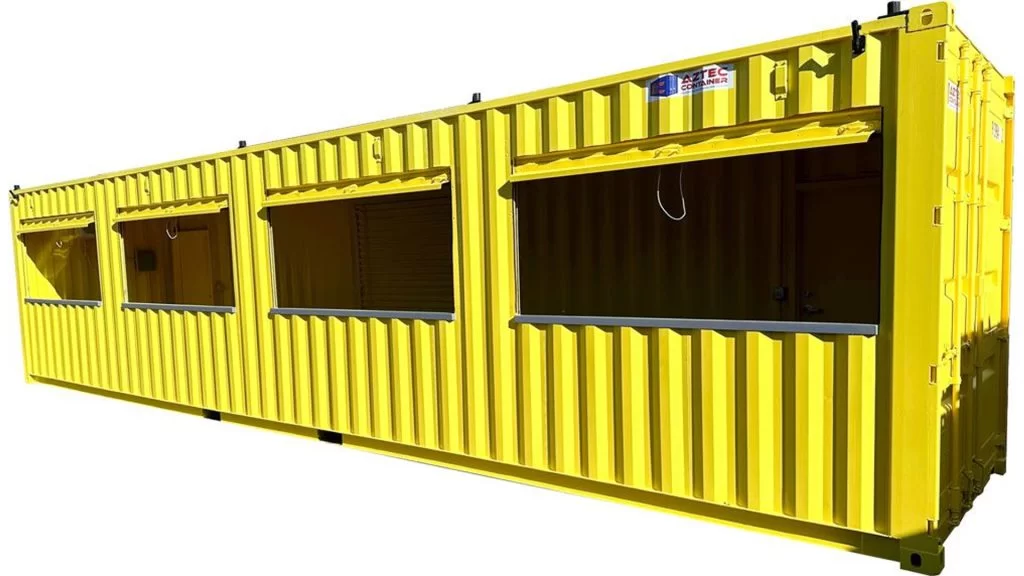
Some units are designed from scratch as food trailers, while others are converted from shipping containers or custom-built by specialty manufacturers. Either way, the possibilities are almost endless.
Why should you care? If you’re an ambitious food entrepreneur aiming for high-volume sales or catering at large events, this setup gives you the scale and professionalism to match brick-and-mortar restaurants—minus the sky-high overhead.

Key Advantages of a 40 Foot Concession Stand
1. Space Efficiency and Workflow Optimization
Imagine running a food business where you never have to say, “Excuse me,” just to move around. That’s the luxury a 40-foot concession stand offers. The extra space isn’t just about being comfortable—it’s about optimizing every second of your workflow.
With such a large footprint, you can design your kitchen layout around efficiency. Think dedicated prep zones, dual cooking stations, refrigeration areas, and even cleaning stations that don’t interfere with the food flow. This allows your staff to perform at their best without crowding, confusion, or clutter.
It also reduces downtime and wait times. You can prep ingredients in bulk, store supplies for several days, and serve more customers faster. Every square foot can be maximized for performance. Whether you’re setting up for a food festival, corporate event, or busy downtown lunch rush, the trailer functions like a well-oiled machine.
You can even separate your space into zones: grilling on one end, frying in the middle, and assembling on the other end. Or you could dedicate one side to hot food and the other to cold food. It’s all about creating a logical flow that minimizes chaos and boosts productivity.
In short, space equals control. And control equals quality and speed. You’ll feel the difference on your bottom line and your sanity.
2. Increased Revenue Potential with Multiple Cooking Zones
Let’s talk money—because at the end of the day, that’s what this is all about. The more food you can cook at once, the more money you make. A 40-foot concession stand allows for multiple cooking zones, which means multiple income streams happening all at once.
Here’s an example. Say you’re selling gourmet burgers, loaded fries, and milkshakes. Instead of bottlenecking your staff on a single flat-top grill and one prep table, you can spread the load. One team handles the burgers, another does the fries, and a third makes shakes. While customers are lining up, each team operates independently, cutting down wait times and doubling (or tripling) your output.
Not only does this make your operation more efficient, it makes it scalable. You can handle rush hours with ease and even take on catering gigs without skipping a beat. That’s a huge competitive edge.
Plus, if you ever want to introduce seasonal items or limited-time offers, you won’t need to overhaul your setup. Just designate one cooking zone for new items, test it, and see how it performs. It’s a game-changer for market testing and innovation.
3. Better Customer Flow and High-Volume Service
When customers see long lines, they make two assumptions: either the food is amazing, or the wait time sucks. A 40-foot concession stand helps you create the former without the latter.
With ample room inside, you can install multiple service windows. That means instead of one slow-moving line, you can serve several customers at once. It’s a huge improvement in customer experience—and you’ll notice it in your daily sales.
You can also design the trailer with separate entry and exit points for walk-up service or even integrate self-order kiosks. This is especially valuable at large events where people want quick service and great food without standing in line forever.
And let’s not forget the psychological effect of a well-organized, professional-looking food trailer. People are more likely to trust your brand, recommend your food, and come back for seconds. That kind of customer loyalty isn’t just earned by flavor—it’s earned by flawless service.
So if you’re serious about handling volume and impressing customers, the 40-foot trailer is your secret weapon.
Choosing the Right Trailer Manufacturer
What to Look for in a Builder
Not all trailer manufacturers are created equal. Choosing the right builder can mean the difference between a smooth operation and a logistical nightmare. So what should you look for?
- Experience – Go with a company that has built multiple 40-foot units and knows foodservice layouts.
- Customization Options – Your trailer should fit your concept—not the other way around. Pick a builder who listens and adapts.
- Certifications – Make sure the trailer complies with NSF, UL, and local health/fire codes.
- Warranty & Support – A strong warranty (1–5 years) and after-sales service are must-haves.
- Client Reviews – Don’t rely on the company’s website—look for independent reviews and testimonials.
- Lead Time – Expect 8–16 weeks for custom builds, but always ask upfront.
- Quality Materials – Look for stainless steel interiors, commercial-grade appliances, and weather-resistant exteriors.
A quality trailer is the foundation of your business. Choose wisely—and don’t cut corners.
Best Food Concepts for Large Concession Trailers
High-Demand Menu Ideas
When you’re running a 40 foot concession stand, you have the space and flexibility to go beyond basic burgers and hot dogs. The real question is—what’s going to bring the crowds (and cash) to your window?
Here are some high-demand, profitable food concepts perfect for large concession trailers:
- Gourmet Street Food – Think upscale takes on street classics: truffle fries, lobster rolls, Korean BBQ tacos, or Nashville hot chicken sliders.
- BBQ & Smoked Meats – A 40-foot trailer can house full-sized smokers and grill stations, perfect for brisket, ribs, pulled pork, and more.
- Multi-Cuisine Fusion – Mix and match cuisines (like sushi burritos, Indian tacos, or ramen burgers) to create a unique identity that sparks curiosity and social shares.
- Comfort Food – Mac & cheese bowls, loaded baked potatoes, and chili cheese everything never go out of style, especially at festivals and fairs.
- Dessert Specialty – Gourmet donuts, fried ice cream, funnel cakes, and stuffed cookies are not just Instagram-worthy—they’re top sellers at any event.
The key is to focus on items that are fast, flavorful, and scalable. Avoid dishes that require long cook times or too many moving parts.
Efficient Multi-Zone Cooking
Your trailer isn’t just a big box on wheels—it’s a battlefield. And the secret to victory? Zoning. Creating multiple, clearly defined kitchen zones inside your 40-foot concession stand can dramatically boost efficiency and output.
Here’s how you might divide your zones:
- Grill Zone – For burgers, hot dogs, skewers, steaks, or sandwiches. Needs solid ventilation and heat control.
- Fry Zone – Equipped with multiple deep fryers for fries, wings, nuggets, onion rings, etc.
- Cold Zone – Refrigeration, prep stations, and a salad or dessert assembly line.
- Serving Zone – Pass-through windows, warming trays, and packing stations.
- Cleaning/Utility Zone – Hand sinks, dish sinks, and trash management.
Zoning helps prevent traffic jams in the kitchen and reduces the risk of cross-contamination. It also lets multiple employees work independently without interfering with each other.
In a high-pressure environment like a food truck festival or big event, these micro-divisions can mean the difference between serving 50 customers an hour and 200.
Seasonal and Event-Based Adaptations
Smart food entrepreneurs know that success isn’t just about having a great menu—it’s about having the right menu for the right event or season.
With a 40-foot trailer, you’ve got the space to be agile. You can rotate seasonal items like:
- Summer: Fresh lemonades, BBQ, street corn, cold desserts
- Fall: Pumpkin-flavored items, hot cider, chili, soup bowls
- Winter: Hearty comfort foods, loaded hot chocolate, spiced donuts
- Spring: Lighter fare, wraps, smoothies, fresh fruit cups
For events, tailor your offerings. Music festival crowd? Go for Instagram-worthy, edgy eats. Kids’ carnival? Keep it simple, fun, and familiar. Corporate event? Offer premium plated meals with quick service.
Having a flexible, modular kitchen in your 40-foot concession stand lets you pivot easily without having to redesign your entire operation.
Maintenance and Operational Tips
Daily Cleaning and Hygiene
Cleanliness isn’t just about passing inspections—it’s about creating a safe, efficient environment for both your staff and your customers. In a 40-foot trailer, things can get messy fast if you don’t stay on top of it.
Here’s a sample daily cleaning checklist:
- Sanitize all surfaces (prep tables, sinks, equipment)
- Empty and clean fryer oil (if used)
- Sweep and mop floors
- Restock napkins, gloves, and to-go containers
- Clean and flush sinks
- Wipe down windows and counters
- Take out all trash and disinfect bins
Weekly or monthly deep cleans should include your hood system, vents, behind equipment, and refrigeration units.
Hygiene extends to staff, too. Enforce strict handwashing rules, no open drinks, hair nets/hats, and glove changes. Customers notice when things look dirty—and they won’t come back.
Investing in smart storage and efficient cleaning systems will make daily tasks faster and less stressful.
Equipment Upkeep and Troubleshooting
Nothing kills your vibe (and your profits) like a broken grill or a dead fridge mid-service. Preventative maintenance should be part of your weekly routine.
Here’s what you should do:
- Inspect propane lines, gas connections, and burner systems
- Clean and calibrate thermostats and temperature probes
- Check for water leaks under sinks and dishwashing units
- Test your generator regularly and keep fuel on hand
- Monitor refrigerator and freezer temps daily
- Replace fryer oil filters regularly
Keep a maintenance log and build a relationship with a trusted mobile kitchen repair service in your area.
It also pays to carry basic replacement parts—spare knobs, fuses, gaskets, hoses, etc. A quick fix can save your entire service shift.
Staff Training for Efficiency
A great trailer is only as good as the people running it. Training your staff to work efficiently, cleanly, and collaboratively is the backbone of your business.
Your training program should cover:
- Kitchen safety and hygiene
- Menu knowledge and portion control
- Cooking station procedures
- Customer service and upselling
- Emergency protocols (fires, equipment failures, medical issues)
Practice scenarios are key—run mock rushes to build muscle memory and reduce stress. Make roles clear (fry cook, runner, cashier, prep, etc.), and teach staff to communicate clearly.
Common Mistakes to Avoid with 40 Foot Concession Stands
Overcomplicating the Menu
It’s tempting to go big on your menu—after all, you’ve got the space, right? But a bloated, overcomplicated menu is one of the fastest ways to tank your operation.
Here’s why:
- It confuses customers. A massive menu overwhelms people and slows down decision-making.
- It increases food costs. More ingredients = more waste if they’re not moving.
- It slows service. Your staff has more to remember, prep, and cook.
The fix? Focus on 6–10 high-performing items, and do them exceptionally well. Then rotate in seasonal or limited-time dishes for variety. Remember, clarity beats creativity when you’re slammed with orders.
Poor Layout and Design Decisions
With a 40-foot trailer, bad layout decisions become expensive—and hard to undo. Whether it’s placing the grill too close to the fryer, forgetting a dedicated cold zone, or having a cramped serving window, design mistakes kill your efficiency.
Avoid these common layout errors:
- No workflow planning: Prep → Cook → Serve should be a straight line.
- Equipment overload: Just because it fits doesn’t mean you need it.
- Limited ventilation: Overheating or smoke buildup makes the space unbearable.
- No service strategy: Single window on a big trailer = long lines.
Always map out your layout on paper—or better yet, use 3D design tools—and run simulations of busy days. Consult with builders and chefs who’ve worked in trailers before.
Ignoring Local Laws and Ordinances
You’d be shocked how many food entrepreneurs overlook local laws, permits, and zoning—and then face thousands in fines or shut down mid-event.
Key legal mistakes include:
- Operating without proper permits or fire inspections
- Parking in restricted zones
- Missing health department deadlines
- Assuming one permit covers all locations
Every city and county is different. Always do your homework before you open shop. It’s worth hiring a local business consultant or checking with your Chamber of Commerce for clarity.
And remember: compliance isn’t just about legality—it builds trust with customers and credibility with event organizers.
Conclusion
A 40 foot concession stand is more than just a big food trailer—it’s a powerful business tool that can transform your food dream into a scalable, profitable empire. With the right planning, menu, equipment, and marketing, you can dominate local events, festivals, and private catering gigs like a pro.
Yes, it requires a significant investment and a steep learning curve—but the payoff can be massive. Whether you’re starting from scratch or upgrading from a smaller rig, this guide has everything you need to leap.
So, what are you waiting for? Your 40 foot food future is ready to roll.