

Introduction
Shipping containers were originally designed to transport cargo across oceans, railways, and highways. Built with heavy-duty steel construction and standardized dimensions, these containers are engineered to handle demanding transportation environments. However, their strength, durability, and modular design make them useful for much more than shipping.
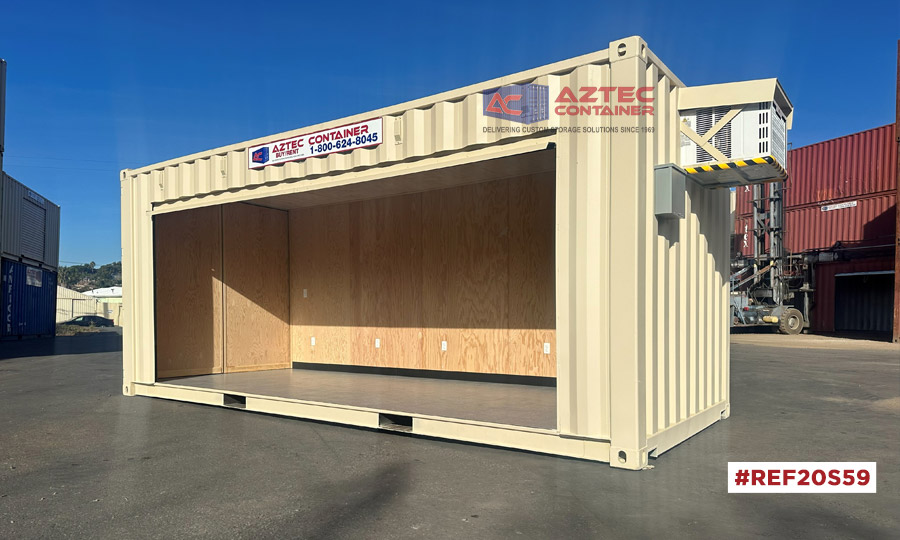
Container modification is the process of transforming a standard shipping container into a customized structure designed for a specific purpose. Through modifications such as adding doors, windows, insulation, electrical systems, lighting, shelving, HVAC, and interior finishes, a basic container can become a functional workspace, storage solution, office, retail space, or specialty structure.
Businesses, contractors, homeowners, and organizations use modified shipping containers because they provide a flexible alternative to traditional construction. Instead of building a structure from the ground up, a container provides a strong foundation that can be customized based on exact requirements.
From a simple storage container with additional access points to a fully equipped mobile office, container modifications allow users to create practical spaces while maintaining the strength and portability of the original steel structure.
At Aztec Container, shipping containers can be customized for a variety of applications, including offices, storage units, concession stands, workshops, and specialized commercial uses.
Why Modify a Shipping Container?
A standard shipping container already provides a secure enclosed structure, but modifications make it more functional for specific needs. Many customers choose shipping container modifications because they offer flexibility, durability, and customization options that traditional buildings may not provide.
1. Create Purpose-Built Spaces
Every project has different requirements. A construction company may need an on-site office, while a retailer may need a compact inventory storage solution. Container modifications allow the structure to be designed around the intended use.
Examples include:
- Mobile offices with electrical systems and climate control
- Equipment storage containers with shelving
- Retail spaces with customer access windows
- Workshops with additional lighting and power outlets
- Secure job-site buildings
2. Save Construction Time
Traditional construction projects often require extensive planning, permits, materials, and labor. Modified shipping containers provide a pre-built structure that can be customized more quickly.
Since the main steel framework is already complete, modifications can focus on interior improvements and functional upgrades.
3. Improve Storage Efficiency
A standard container can already provide significant storage space, but modifications can improve organization and accessibility.
Common storage upgrades include:
- Roll-up doors for easier loading
- Shelving systems
- Partition walls
- Tool racks
- Additional lighting
These features help businesses organize inventory, equipment, and supplies more effectively.
4. Support Flexible Business Operations
Many industries need spaces that can adapt to changing needs. A modified container can be relocated, expanded with additional units, or redesigned for a new purpose.
For example:
| Industry | Container Modification Use |
|---|---|
| Construction | Job-site office, equipment storage, break rooms |
| Retail | Pop-up shops, inventory storage |
| Agriculture | Farm storage, equipment housing |
| Events | Temporary offices, concession spaces |
| Manufacturing | Workshops and material storage |
| Businesses | Mobile offices and meeting spaces |
Common Types of Shipping Container Modifications
Shipping container modifications can range from simple functional upgrades to complete transformations. The right modification depends on how the container will be used.
1. Door and Access Modifications
Standard containers typically include cargo doors on one end. Additional doors can improve accessibility depending on the project.
Common door modifications include:
| Door Type | Benefits | Common Applications |
|---|---|---|
| Roll-Up Door | Easier loading and unloading | Storage, warehouses, equipment access |
| Personnel Door | Convenient everyday entry | Offices, workshops |
| Additional Cargo Door | Wider access points | Large equipment storage |
| Double Door Modification | Improved accessibility | Inventory storage |
2. Window and Ventilation Modifications
Windows improve natural lighting and make modified containers more comfortable for workspaces and offices.
Common window options include:
- Sliding windows
- Fixed windows
- Security windows
- Service windows
Ventilation upgrades help improve airflow, especially in storage and workspace applications.
| Modification | Purpose |
|---|---|
| Windows | Natural light and visibility |
| Louvers | Air circulation |
| Vents | Moisture control |
| Exhaust Fans | Improved airflow |
Electrical Modifications
Electrical upgrades are one of the most common additions for modified shipping containers. These systems allow containers to function as offices, workshops, and commercial spaces.
Electrical modifications may include:
- Interior lighting
- Exterior lighting
- Electrical outlets
- Breaker panels
- Data connections
- Wiring systems
4. Insulation and Interior Finishing
Insulation helps regulate interior temperatures and creates a more comfortable environment, especially for office or workspace conversions.
Interior finishes can include:
- Wall panels
- Flooring upgrades
- Ceiling finishes
- Partition walls
5. HVAC and Climate Control
For containers used as offices, meeting spaces, or specialized environments, HVAC systems can improve comfort and usability.
HVAC modifications may include:
- Mini-split air conditioning systems
- Heating solutions
- Air circulation systems
- Climate control equipment
These upgrades are especially useful for businesses that need employees to work inside the container for extended periods.
The Shipping Container Modification Process
A successful container modification project starts with proper planning. Whether the goal is creating a mobile office, secure storage unit, retail space, or specialized structure, each modification should be designed around the intended use.
The process usually involves several important stages, from selecting the right container to completing custom upgrades.
1. Determine Your Container Requirements
The first step is understanding how the modified container will be used. The purpose of the container determines the size, layout, and modifications required.
Important questions to consider:
- Will the container be used for storage or as an occupied space?
- Does it require electricity or climate control?
- Will people regularly enter and work inside?
- Does it need additional doors, windows, or service openings?
- Will equipment or inventory need special storage solutions?
For example, a basic storage container may only require shelving and additional access, while a mobile office may need insulation, electrical wiring, windows, flooring, and HVAC.
2. Choose the Right Container Size
Shipping containers are available in different sizes, allowing customers to select a solution based on available space and functional needs.
| Container Size | Exterior Dimensions | Best For |
|---|---|---|
| 10 Foot Container | 10′ × 8′ × 8′6″ | Small storage, security offices, compact workspaces |
| 20 Foot Container | 20′ × 8′ × 8′6″ | Offices, workshops, inventory storage |
| 40 Foot Container | 40′ × 8′ × 8′6″ | Large storage, commercial spaces, multi-room conversions |
3. Design the Layout
Once the container size is selected, the next step is planning the interior and exterior layout.
A well-designed layout ensures that every modification serves a purpose.
Common design considerations include:
- Entry and exit locations
- Window placement
- Workspace arrangement
- Storage areas
- Electrical outlet locations
- Lighting placement
- HVAC positioning
For office conversions, the layout may include desks, lighting, outlets, and windows. For storage applications, the focus may be on maximizing available space through shelving and organization systems.
Popular Uses of Modified Shipping Containers
The flexibility of container modifications makes them suitable for many residential, commercial, and industrial applications.
1. Container Offices
One of the most popular modifications is converting containers into shipping container offices.
Businesses use container offices because they provide a practical workspace solution for:
- Construction sites
- Remote locations
- Expanding businesses
- Temporary projects
Office container modifications often include:
| Feature | Purpose |
|---|---|
| Windows | Natural lighting and visibility |
| Electrical Wiring | Power for computers and equipment |
| HVAC | Comfortable working environment |
| Flooring | Professional interior finish |
| Insulation | Improved interior comfort |
| Lighting | Productive workspace |
2. Construction Site Offices
Construction companies frequently use modified containers as on-site offices.
Benefits include:
- Secure workspace for managers and staff
- Storage for project documents
- Meeting areas
- Protection from job-site conditions
A container office can be relocated between projects, making it a flexible solution for contractors.
3. Storage Container Modifications
Storage remains one of the most common uses for modified containers.
Common storage upgrades include:
- Roll-up doors
- Shelving systems
- Interior partitions
- Lighting
- Additional access points
Storage Applications
| Business Type | Storage Use |
|---|---|
| Construction Companies | Tools and equipment |
| Retail Businesses | Inventory storage |
| Farms | Agricultural supplies |
| Manufacturers | Materials and parts |
| Homeowners | Personal belongings |
4. Retail and Concession Stands
Modified containers can also become customer-facing spaces for businesses.
Examples include:
- Pop-up retail shops
- Event booths
- Food service spaces
- Product displays
Common features include:
- Large service windows
- Counter areas
- Electrical systems
- Interior finishes
- Storage sections
These designs provide businesses with a compact and flexible commercial setup.
5. Workshops and Industrial Spaces
Businesses that require additional workspace can modify containers into workshops.
Workshop modifications may include:
- Electrical outlets for tools
- Lighting systems
- Ventilation
- Workbenches
- Storage racks
They provide a secure environment for repairs, manufacturing tasks, and equipment maintenance.
Benefits of Custom Shipping Containers
Choosing custom shipping containers offers several advantages compared with traditional construction methods.
- Flexible Design Options: Containers can be modified based on specific requirements. Customers can choose the features, layout, and accessories needed for their project.
- Durable Construction: Shipping containers are built from heavy-duty steel designed for transportation. This strong structure provides a reliable foundation for modifications.
- Faster Setup: Since the main structure already exists, modifications can often be completed faster than building a completely new structure.
- Portable Solution: Unlike permanent buildings, modified containers can be relocated when project needs change.
- Multiple Applications: A single container design can serve different purposes, including Storage, Offices, Retail, workshops, and Equipment housing.
Conclusion
Container modification provides a practical way to create customized spaces without starting from traditional construction. With options for doors, windows, electrical systems, insulation, HVAC, shelving, and interior finishes, shipping containers can be transformed into highly functional solutions for businesses, contractors, and individuals.
From job-site offices and storage units to retail spaces and workshops, modified shipping containers offer flexibility, durability, and customization options for a wide range of applications.
If you are looking for custom shipping containers or professional container modification solutions, Aztec Container can help you choose the right container and design features for your project.