

Introduction
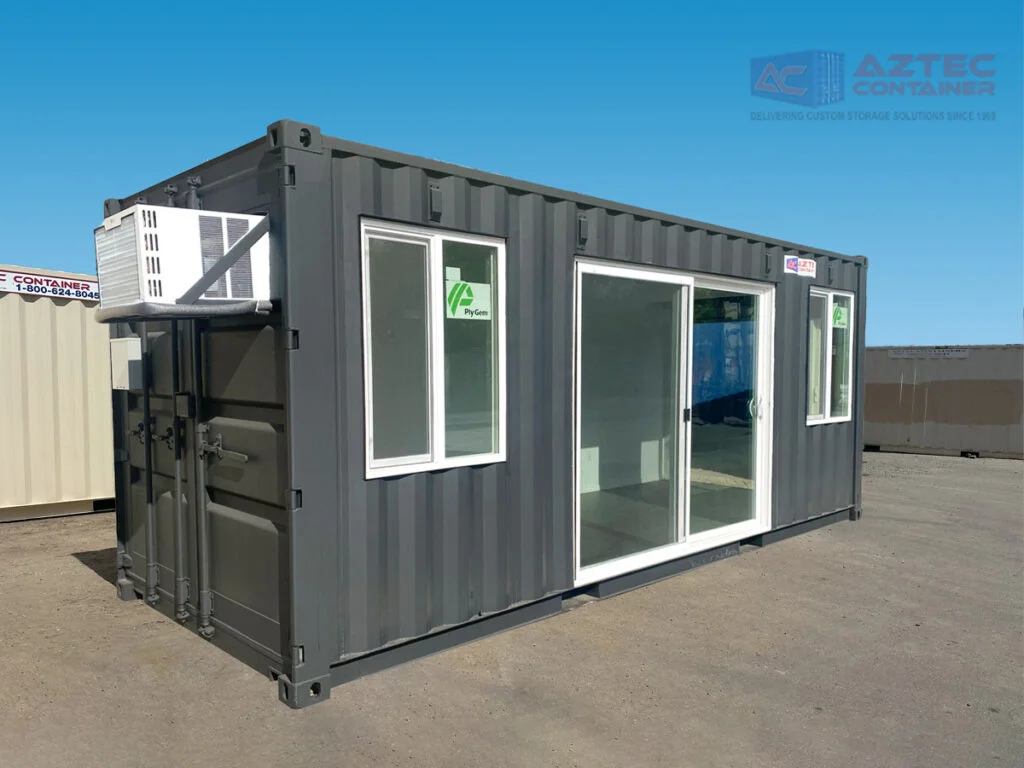
A shipping container office is exactly what it sounds like — a workspace created by converting a standard steel shipping container into a functional office environment. These containers, often used for transporting goods across seas and continents, are transformed into modern, efficient office spaces. What was once just a metal box is now becoming the backbone of the next wave in flexible architecture.
Shipping containers come in standard sizes, typically 20 feet or 40 feet long, providing a ready-made, durable structure. These containers are designed to withstand extreme weather and rough handling during transportation, which makes them an incredibly sturdy base for building offices.
What sets these offices apart is the sheer innovation behind them. With proper insulation, electricity, plumbing, and interior design, a shipping container can be just as comfortable and functional as any traditional office — sometimes even more so. It’s a concept that merges industrial ruggedness with sleek, modern aesthetics.
And because they’re modular by nature, you can stack or connect multiple units to create larger workspaces. It’s like building with giant Legos — only your creation becomes your workplace.
Why are They Gaining Popularity?
Shipping container offices are making waves across industries — from startups and freelancers to large corporations looking to expand without spending a fortune. The appeal comes down to a few simple, compelling reasons.
First, there’s the cost. Traditional construction is expensive — both in terms of materials and time. But with shipping containers, the base structure is already done. That alone shaves off thousands in construction costs and weeks of labor.
Then there’s the sustainability factor. In an age where eco-consciousness matters, repurposing used shipping containers keeps them out of landfills and reduces the carbon footprint associated with new construction materials. They’re a smart, green choice for companies looking to improve their ESG (Environmental, Social, and Governance) credentials.
Speed is another reason. A shipping container office can be ready in a matter of weeks, not months. That’s a huge win for businesses that need to scale fast, relocate, or simply want to set up a temporary office for remote or on-site projects.
And let’s not forget about style. Industrial design is trending — and container offices tap directly into that aesthetic. With a bit of creativity, they can be made to look ultra-modern, minimalist, or even rustic chic.
Benefits of Using a Shipping Container Office
Cost-Effective Alternative to Traditional Offices
Building or renting office space is one of the largest expenses a business can face. But with shipping container offices, you’re working smart — not hard.
One of the most obvious advantages is the cost savings. Converting a used container into a functioning office can cost significantly less than building a conventional structure. Depending on your customizations, the total cost could be anywhere between $15,000 to $50,000 — a fraction of what you’d pay for a comparable brick-and-mortar setup.
Besides the lower upfront costs, container offices are easier on the wallet in the long run. They require less maintenance, have lower utility bills (especially if designed with energy efficiency in mind), and can be moved rather than rebuilt if you relocate.
The modular nature also means you can start small and expand later. Need just one office room for now? Done. Need a whole building next year? Add more containers.
And for businesses just getting started or working with limited budgets, this flexibility is a game-changer. You don’t have to sacrifice functionality or aesthetics just to stay within your means.
Fast Construction and Setup
Time is money — and traditional construction can be painfully slow. Between permits, weather delays, and the actual building process, you might wait six months to a year before moving in. But shipping container offices slash that timeline dramatically.
Most projects can be completed in just 4–8 weeks. That includes delivery, modifications, interior work, and utility hookups. In some cases, pre-fabricated container offices are ready to go in days — just drop them on-site and plug them in.
This rapid deployment is perfect for companies that operate on tight schedules. Construction companies, for example, often use mobile container offices as temporary on-site command centers. Real estate agents, event coordinators, and remote workers can benefit from the speed and ease of installation, too.
Plus, since most of the work is done off-site in a factory or warehouse, there’s minimal disruption to your property during setup. That means no months of noisy construction or dealing with contractors coming in and out.
Eco-Friendly and Sustainable
Sustainability isn’t just a buzzword — it’s a responsibility. And shipping container offices check nearly every box when it comes to environmentally friendly building practices.
First, you’re recycling. Instead of letting old containers rust away in shipyards or landfills, you’re giving them a second life. This repurposing helps reduce the demand for traditional building materials like bricks, concrete, and wood — all of which have significant environmental footprints.
Second, you can go green with your modifications. Add solar panels to the roof, use LED lighting, install energy-efficient HVAC systems, and choose insulation made from recycled materials. With the right design, a container office can achieve near-zero energy consumption.
Water-saving plumbing, low-VOC paints, reclaimed wood finishes — all of these eco-upgrades help turn your workspace into a beacon of sustainability.
And for companies looking to make an eco-statement, a shipping container office is a great way to walk the talk. It’s functional, stylish, and proves you care about the planet.
Types of Shipping Container Offices
Single-Unit Offices
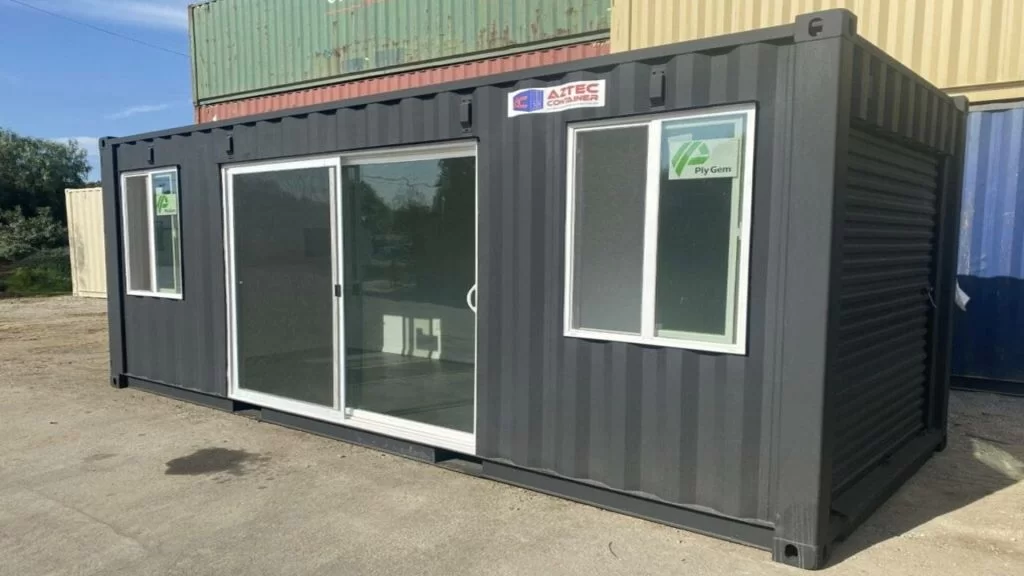
Single-unit offices are the simplest form of container workspaces. Typically built from a single 20-foot or 40-foot container, these compact setups are perfect for small businesses, solo entrepreneurs, or remote workers.
Despite their size, they pack a punch in terms of utility. A single container can include a desk space, a small meeting area, climate control, and even a restroom if plumbed properly. They’re ideal for backyards, construction sites, parking lots, or as home offices.
What’s great is the flexibility. They can be delivered ready-to-use or customized to fit your needs. And if you ever outgrow the space? Just add another unit.
Their compact nature also means lower energy consumption, minimal land use, and fast installation. It’s the no-fuss, no-mess option for getting to work — fast.
Multi-Container Modular Offices
When you need more space, multi-container offices are the way to go. These setups combine multiple containers — side-by-side or stacked — to create larger, more dynamic work environments.
Think of it like building blocks. You can design open-floor plans, separate rooms, conference halls, and even multiple floors by arranging containers in creative ways.
These modular offices are popular with growing startups, co-working spaces, and even schools or healthcare centers that need flexible, cost-efficient expansion.
And since each container is a standardized size, future additions are easy to integrate. You’re not locked into one layout forever. As your team grows or your needs change, you can reconfigure, relocate, or expand.
Mobile Container Offices
Mobile container offices are designed with portability in mind. Equipped with wheels or set up on trailers, these units can be moved from site to site — perfect for businesses that need temporary offices in multiple locations.
Construction firms use them for project sites, while event planners rely on them for mobile command centers. They can also serve as pop-up shops, clinics, or temporary classrooms.
What makes them even more attractive is their ability to operate independently. Many mobile units come with built-in generators, water tanks, and solar power — allowing you to set up shop in remote areas without utility access.
Shipping and Installation Process
How to Get Your Container Office Delivered and Set Up
So, you’ve chosen a container, got your permits, and finalized the design. Now comes the next big step: shipping and installing your container office. Here’s what to expect — and how to make it smooth.
Step 1: Site Preparation
Your location needs to be prepped. That means leveling the ground, pouring a concrete pad or installing concrete piers (if required by code), and ensuring access for the delivery truck. You’ll also want utilities (water, electricity, internet) nearby if you plan to hook up your office right away.
Step 2: Delivery Logistics
Container offices are delivered on flatbed trucks or tilt-bed trailers. If space is tight or your site isn’t truck-accessible, you might need a crane to lift the container into place. Most delivery companies handle this, but it’s important to confirm ahead of time.
Delivery costs vary based on distance, but average around $500–$1,500. If you’re buying a pre-fab container office from a provider, they often bundle delivery into the price.
Step 3: Placement and Anchoring
Once on-site, the container is placed on your foundation and anchored (if required). Anchoring prevents shifting due to wind or seismic activity and is usually done with brackets, bolts, or special footing systems.
Step 4: Utility Hookups
Electricians and plumbers now do their thing — connecting your HVAC, lights, sockets, plumbing, and internet. This is when your office comes to life.
Step 5: Final Touches
Add ramps, steps, landscaping, fencing, or signage as needed. Install office furniture, organize your space, and you’re ready to go.
Installation usually takes a day or two for single-container units, or a week for multi-container builds. And once done? You’ve got a fully functional, super-stylish office that’s ready to work as hard as you do.
Pros and Cons of Container Offices
Are They the Right Fit for Your Business?
Like any building solution, shipping container offices have their perks — and their quirks. Let’s lay them all out so you can decide if they’re the right move for you.
Pros:
- Cost-Effective: Way cheaper than traditional construction, especially for startups or small businesses.
- Quick to Build: Have an office up and running in weeks, not months.
- Eco-Friendly: Repurpose existing materials, reduce construction waste, and add green features.
- Modular and Scalable: Start small, expand easily.
- Stylish and Modern: Tap into industrial, minimalist, or contemporary design trends.
- Portable: Move your office when you relocate.
- Customizable: Layout, design, finishes — it’s all up to you.
Cons:
Limited Width: Standard containers are just 8 feet wide — you’ll need to combine units for larger spaces.
- Zoning Issues: Some areas don’t permit container structures.
- Temperature Control: Requires serious insulation in extreme climates.
- Permitting Can Be Complex: Navigating local rules can be time-consuming.
- Not Always Cheaper: High-end customizations can drive up costs.
Ultimately, the decision comes down to your budget, timeline, location, and style preferences. For many modern businesses — especially remote teams, startups, or creative agencies — the benefits far outweigh the drawbacks.
But if you’re in a tightly regulated area, need a traditional multi-story office, or want massive open spaces, a container office might not tick every box
Conclusion: Is a Shipping Container Office Worth It?
Absolutely — for the right people and projects, a shipping container office is more than worth it. It’s a bold, modern, sustainable choice that reflects innovation and adaptability. Whether you’re a solopreneur working from home, a growing business looking to save on construction costs, or a creative brand wanting to make a statement, container offices offer unmatched flexibility.
They’re cost-effective, stylish, eco-friendly, and can be built in record time. And while they’re not without challenges — like zoning and temperature control — most of these issues are manageable with good planning.
With the global shift towards remote work, hybrid teams, and mobile businesses, having an adaptable, affordable, and portable workspace is no longer a luxury — it’s a necessity.
So if you’re tired of overpriced office leases or clunky construction projects, maybe it’s time to think inside the box — and build your future out of steel and creativity.