


20 ft box container: Ultimate Guide 2026
Why the 20 ft Box Container is the Industry Standard
A 20 ft box container is a steel shipping container measuring 20 feet in length, 8 feet in width, and 8.5 feet in height on the outside. Here’s what you need to know:
Key Specifications:
- External Dimensions: 20′ L × 8′ W × 8’6″ H
- Internal Dimensions: 19’4″ L × 7’8″ W × 7’10” H
- Storage Capacity: 1,170 cubic feet
- Weight Capacity: Up to 55,554 lbs of cargo
- Empty Weight: Approximately 4,850 lbs
Common Uses:
- On-site storage for construction equipment and tools
- Secure inventory storage for retail and commercial businesses
- Residential moving and home renovation storage
- Mobile offices, workshops, and custom structures
The 20 ft box container has become the most popular container size worldwide for good reason. It strikes the perfect balance between storage capacity and space efficiency. It’s large enough to hold the contents of a 2 to 4-bedroom home or a substantial amount of business inventory, yet compact enough to fit on most residential and commercial properties without requiring excessive space.
These containers are built from Corten corrugated steel, designed to withstand decades of harsh ocean transport. That same durability makes them ideal for ground storage, protecting your contents from weather, pests, and theft. The standard dimensions mean they’re easy to transport on regular tilt-bed trucks and can be delivered to nearly any location with adequate access.
Whether you need temporary storage during a renovation, a permanent solution for tools and equipment, or a foundation for a custom office or workshop, the 20-foot container offers a cost-effective and versatile solution. Unlike traditional storage units that require monthly fees and off-site travel, a container sits right on your property with 24/7 access.
I’m Steve Hyndman, Vice President of Aztec Container, and I’ve been working with 20 ft box container solutions for over 30 years since joining the company in 1994. We’ve helped thousands of businesses and individuals find the right container for their specific needs, from simple storage to complex custom modifications.

Handy 20 ft box container terms:
The Anatomy of a 20-Foot Container: Dimensions and Specs
This section details the physical characteristics of the 20 ft box container. Understanding these specifications is crucial for transport, storage, or any modification project.
Standard Exterior and Interior Dimensions
A 20 ft box container has consistent dimensions set by international ISO standards. This standardization ensures they can be seamlessly integrated into global logistics networks, from ships and trains to trucks.
The typical external dimensions of a standard 20 ft box container are:
- Length: 20 feet (6058 mm)
- Width: 8 feet (2438 mm)
- Height: 8 feet 6 inches (2591 mm)
While these external measurements are important for transport and placement, it’s the internal space that truly matters for storage and modification. The interior dimensions are slightly smaller due to the thickness of the steel walls and floor, providing a robust protective shell.
The standard internal dimensions generally are:
- Length: 19 feet 4 inches (5900 mm)
- Width: 7 feet 8 inches (2352 mm)
- Height: 7 feet 10 inches (2393 mm)
This translates to an internal volume of approximately 1,170 to 1,172 cubic feet (33 to 33.2 cubic meters). This generous space makes the 20 ft box container popular for many uses, offering ample room without being cumbersome.
Weight and Capacity: What Can It Hold?
The capacity of a 20 ft box container is a critical factor. This includes not just its volume, but also how much weight it can safely bear. The three key weight specifications are tare weight, payload capacity, and maximum gross weight.
- Tare Weight: This is the weight of the empty container itself. For a standard 20 ft box container, the tare weight is approximately 4,850 lbs (2,200 kg). This weight can vary slightly depending on the specific manufacturer and any minor modifications.
- Payload Capacity: This refers to the maximum weight of cargo or contents that the container can safely hold. A standard 20 ft box container boasts an impressive payload capacity of around 55,554 lbs (25,200 kg).
- Maximum Gross Weight: This is the total allowable weight of the fully loaded container, combining its tare weight and its payload. For a standard 20 ft container, the maximum gross weight is approximately 60,845 lbs (27,600 kg).
The floor of a standard 20 ft box container is also designed to handle substantial loads, typically rated for an evenly distributed load of 100 lbs per square foot. This means you can confidently store heavy items, provided the weight is spread out appropriately.
To give you a clearer picture, here’s a comparison of the weight capacities for standard and High Cube 20 ft containers:
| Specification | Standard 20 ft Container | 20 ft High Cube Container |
|---|---|---|
| External Height | 8’6″ (2.59 m) | 9’6″ (2.90 m) |
| Internal Height | 7’10” (2.39 m) | 8’10” (2.69 m) |
| Tare Weight (Empty) | ~4,850 lbs (2,200 kg) | ~5,070 lbs (2,300 kg) |
| Payload (Max Load) | ~55,554 lbs (25,200 kg) | ~56,879 lbs (25,800 kg) |
| Max Gross Weight | ~60,845 lbs (27,600 kg) | ~61,729 lbs (28,000 kg) |
| Internal Volume | ~1,170 CuFt (33.2 m³) | ~1,320 CuFt (37.4 m³) |
Built to Last: Materials and Structural Features
The durability of a 20 ft box container comes from intentional design and high-quality, resilient materials. These units are engineered to withstand demanding conditions, including corrosive saltwater, extreme temperatures, and the stresses of intermodal transport.
At the heart of every 20 ft box container is Corten steel. This specialized steel forms a protective rust-like layer when exposed to the elements, preventing further corrosion and ensuring a long lifespan. The walls are made from 0.8mm (20 gauge) galvanized corrugated steel, which provides exceptional strength and rigidity, capable of withstanding wind loads up to 110 mph. The roof panels are similarly constructed from 0.8mm galvanized steel, designed to handle snow loads of 60 lbs/ft².
The flooring is also robustly constructed. It typically consists of 3/4 inch OSB-3 floorboards or marine-grade plywood, which are durable and moisture-resistant. These boards are laid over a 2mm cold-formed powder-coated steel frame, providing a stable base for heavy loads.
Other critical structural features include:
- Weatherproof Door Seals: The heavy-duty cargo doors are fitted with rubber gaskets, creating a tight, wind and watertight seal to protect contents from moisture, dust, and pests. Steel locking arms ensure a secure closure.
- Corner Castings: Located at all eight corners, these robust steel fittings are integral to the container’s structural integrity. They serve as universal attachment points for lifting equipment and for securing the container during transport.
- Forklift Pockets/Guides: Many 20 ft box containers include built-in forklift guides, typically 8″ x 2.25″, making it easier and safer to move the empty container around a site. These features are essential for flexible on-site placement.
Types and Grades: Choosing the Right 20 ft Box Container
Not all containers are created equal, and understanding the different types and grades of a 20 ft box container is key to making an informed decision. We offer a variety of options to ensure you get the perfect solution for your specific needs, whether it’s for secure storage or a custom project.
New vs. Used Containers
The first distinction you’ll encounter is between new and used containers. Each offers unique advantages:
- New “One-Trip” Containers: These containers have typically made just one journey from their manufacturing origin (usually Asia) to North America, carrying cargo to offset shipping costs. They are in excellent condition, with minimal wear and tear, pristine paint, and often come with a lockbox already installed. They are ideal if appearance is a priority or if you plan extensive modifications.
- Used Containers: These units have seen several years of service in international shipping. While they may have dents, scratches, and surface rust, their structural integrity remains sound. Used containers represent a more cost-effective option and are perfect for general storage where aesthetics are less critical. We carefully inspect all used containers to ensure they meet our quality standards.
Within the category of used containers, you’ll often hear terms like “Wind and Watertight” and “Cargo Worthy.” We’ll dig into these in the FAQ section, but rest assured, even our used containers are thoroughly vetted. Opting for a used container is also an environmentally friendly choice, as it repurposes a durable item, contributing to sustainability.
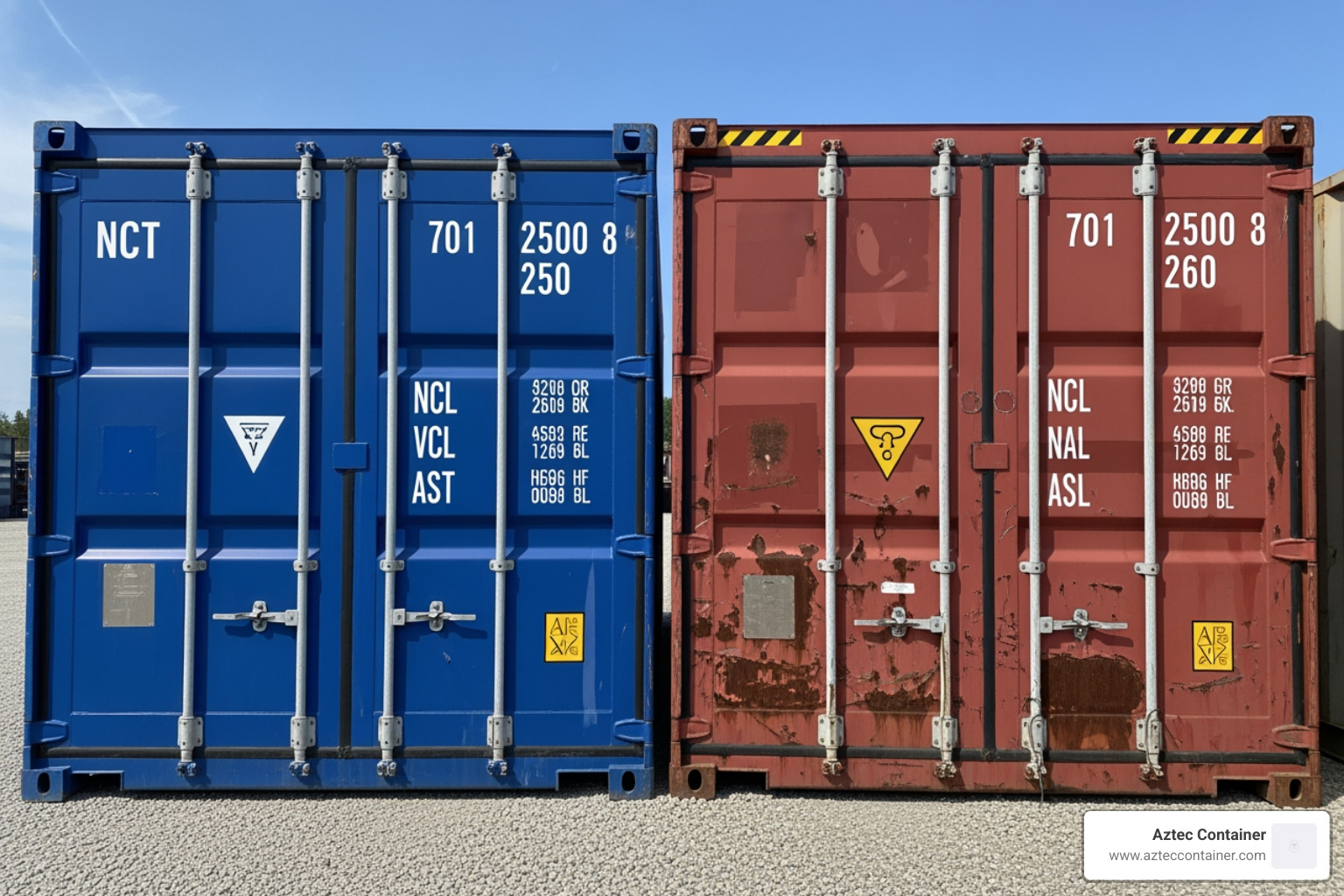
Exploring Different Types of a 20 ft Box Container
While the standard dry cargo (DC) container is the most common, there are several specialized types of 20 ft box container designed to meet particular requirements:
- Standard Dry (DC): This is the workhorse of the shipping world, a universal container perfect for intermodal transportation by sea, road, and rail, as well as for stationary storage. It’s designed for general cargo that doesn’t require temperature control.
- High Cube (HC): For those who need more vertical space, the 20 ft High Cube container is an excellent choice. It’s an extra foot taller than a standard container, with an external height of 9 feet 6 inches and an internal height of 8 feet 10 inches. This additional height increases the internal volume to approximately 1,320 cubic feet, making it ideal for storing taller items or stacking more goods.
- Double Door: As the name suggests, this 20 ft box container features cargo doors at both ends. This design significantly improves accessibility, allowing for easier loading and unloading, especially for longer items or when you need to access contents from either side.
- Open Side: An open side container offers even greater accessibility. Instead of just end doors, one entire long side of the container can open, providing a wide access point. This is particularly useful for loading oversized or irregularly shaped items that wouldn’t fit through standard end doors, or for creating an immediate open-air space for retail or workshop use.
Each of these variations of the 20 ft box container offers distinct advantages, allowing us to provide custom solutions for your specific operational or storage challenges.
Open uping Potential: Common Uses and Applications
The versatility of the 20 ft box container is remarkable. Originally for global shipping, its robust and adaptable nature has led to many innovative uses, making it a popular choice across Arizona, California, Colorado, Idaho, Montana, Nevada, New Mexico, Texas, and Utah.
Secure On-Site Storage Solutions
The most straightforward and common application for a 20 ft box container is secure on-site storage. Its inherent durability and security features make it a superior alternative to traditional storage sheds or off-site storage units.
- Construction Sites: Contractors frequently use 20 ft containers to store valuable tools, equipment, and building materials. Their rugged design protects against theft, vandalism, and the elements, keeping expensive items safe and organized right where they’re needed.
- Retail and Commercial Inventory: Businesses, from small shops to large warehouses, use these containers for overflow inventory, seasonal stock, or important documents. They provide a cost-effective way to expand storage capacity without needing to lease additional commercial space.
- Agricultural Supplies: Farmers and ranchers in states like Idaho, Montana, and Texas find 20 ft containers invaluable for storing feed, equipment, pesticides, and other agricultural necessities, protected from weather and pests.
- Residential Moving and Home Renovation: During a move or a home renovation project, a 20 ft container can be placed directly on your property, providing convenient, ground-level access to store furniture, household goods, or building supplies.
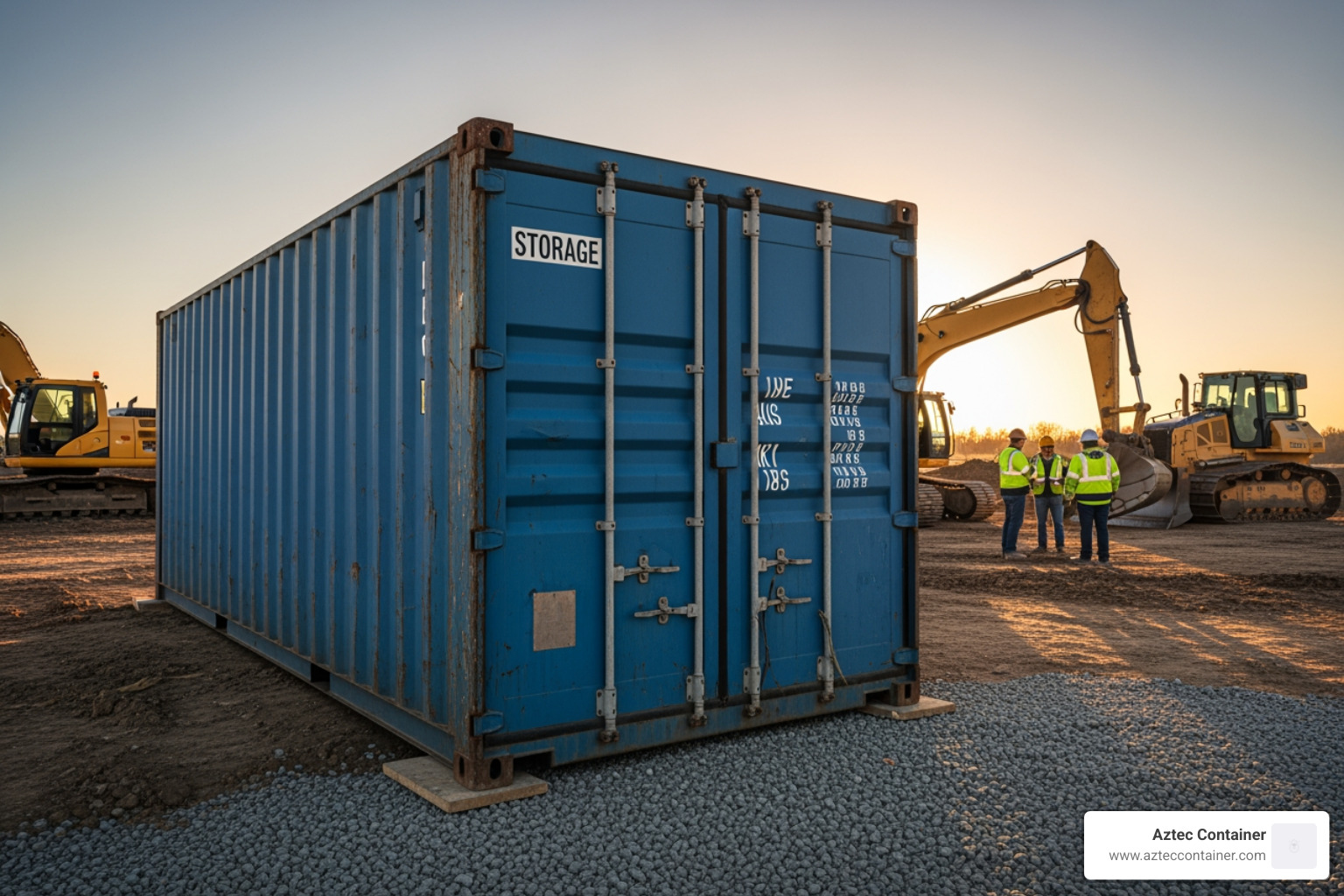
Innovative Customization and Modifications
Beyond storage, the 20 ft box container is a flexible foundation for many custom projects. Its steel shell is a blank canvas for specialized spaces. We offer extensive customization options to help you create the exact space you need.
Some popular modifications include:
- Mobile Offices: With the addition of proper doors, windows, electrical wiring, and climate control, a 20 ft container can become a comfortable and secure portable office for job sites, events, or temporary workspaces.
- Workshops: For craftsmen, artists, or mechanics, a container can be outfitted with workbenches, shelving, lighting, and ventilation to create a dedicated, secure workshop space.
- Pop-Up Retail Kiosks: Their portability and distinct look make them excellent for temporary retail spaces, food stands, or promotional booths at events.
- Emergency Response Units: Organizations use customized containers for mobile command centers, medical supply storage, or temporary shelters during disaster relief efforts.
- Classrooms: In some educational settings, modified containers serve as additional classroom space, laboratories, or administrative offices.
Our customization options are vast and include:
- Custom Doors: From roll-up doors to personnel doors, we can install various access points.
- Windows: Adding windows can bring in natural light and ventilation, changing the interior.
- Vents: Essential for airflow, preventing condensation, and maintaining a healthy environment inside.
- Shelving and Racking: Internal systems to maximize storage efficiency and organization.
- Electrical Packages: Wiring for lighting, outlets, and HVAC systems.
- Interior Walls: To create separate rooms or defined spaces.
- Flooring: Upgrades to accommodate specific uses or aesthetics.
- Paint: Custom exterior paint jobs for branding or aesthetic integration.
We offer effective insulation solutions to help regulate interior temperatures. Our team works with you to design and implement modifications, ensuring your customized 20 ft box container meets your exact specifications.
The Logistics: Delivery, Placement, and Security
Acquiring a 20 ft box container involves understanding delivery, placement, and security. We aim to make this process smooth and secure for our customers across our service areas.
Benefits of a 20 ft Box Container
The 20 ft box container offers a combination of practical benefits:
- Portability: Despite their robust construction, these containers are designed for easy transport. They can be moved efficiently by truck, rail, or sea, offering flexibility for temporary or relocating needs.
- Durability: Constructed from heavy-duty Corten steel, they are built to withstand harsh weather, impacts, and the rigors of frequent handling, ensuring a long service life.
- Weather Resistance: With wind and watertight seals and rust-resistant materials, your contents are protected from rain, snow, wind, and pests, making them perfect for outdoor storage in any climate.
- Security: Their solid steel construction, heavy-duty doors, and optional lockboxes make them highly resistant to theft and vandalism, offering peace of mind for valuable items.
- Cost-Effectiveness: Compared to building new structures or constantly renting off-site storage, buying or renting a 20 ft container often proves to be a more economical long-term solution.
- Ground-Level Access: Unlike liftd storage units, containers sit directly on the ground, making loading and unloading easy without the need for ramps or lifting equipment.
- Space Efficiency: The 20 ft box container offers a significant amount of storage in a relatively compact footprint, making it suitable for properties where space might be limited. It’s large enough for substantial storage but small enough to fit in most driveways or commercial lots.
Delivery and Site Preparation
We use specialized equipment and experienced drivers to ensure a safe and efficient delivery of your 20 ft box container across Arizona, California, Colorado, Idaho, Montana, Nevada, New Mexico, Texas, and Utah.
Our standard delivery method typically involves a tilt-bed truck. This truck uses a hydraulic system to tilt its bed and gently slide the container off onto the ground. This method requires specific space considerations at your delivery site:
- Delivery Space Requirements: We need at least 70-feet of clear, straight-line space in front of where you want the container placed. This accounts for the length of the container, the truck’s deck, and the truck itself, allowing enough room for the truck to maneuver and tilt.
- Site Preparation: The ideal placement area should be level and have a firm surface. This could be concrete, asphalt, gravel, or compacted dirt. A level surface ensures the container doors operate smoothly and prevents undue stress on the container’s structure. While we can place containers on various surfaces, a well-prepared site ensures the best stability and longevity for your unit. The delivery process itself usually takes about 10-15 minutes, provided the site is clear and accessible.
Keeping Your Goods Safe: Security Features
A primary reason customers choose a 20 ft box container is for its security. These units are designed to protect your valuables against theft, vandalism, and the elements.
Key security features include:
- Corten Steel Construction: The heavy-duty, corrugated Corten steel walls and roof are incredibly difficult to breach, forming a formidable barrier against unauthorized entry.
- Heavy-Duty Locking Arms: The robust steel locking arms on the cargo doors are designed to withstand significant force, ensuring the doors remain tightly shut.
- Lockbox Protection: For an added layer of security, many containers come with or can be fitted with a steel lockbox. This protective shroud is welded to the outside of the doors, enclosing the padlock and shielding it from bolt cutters and other pry tools, making it virtually inaccessible to thieves.
- D-Rings: Inside the container, you’ll find sturdy D-rings (typically every 4 feet) that allow you to secure your cargo with straps or chains, preventing items from shifting during transport or being easily removed if access is gained.
These features ensure that whatever you store inside your 20 ft box container remains safe, dry, and protected. For more detailed technical specifications, explore our Shipping Container Specifications page.
Frequently Asked Questions about 20-Foot Containers
How much can you fit in a 20ft container?
A 20 ft box container offers a substantial amount of space, typically around 1,170 to 1,172 cubic feet. To put that into perspective, it can generally hold the contents of a moderately furnished 2 to 4-bedroom home, though it’s important to note this usually excludes major appliances.
This makes it incredibly versatile for storing a wide range of items. You can comfortably fit:
- Furniture: Sofas, beds, dining tables, chairs, dressers.
- Boxes: Numerous moving boxes filled with household goods, seasonal decorations, or archived documents.
- Business Inventory: Excess stock, retail displays, or specialized equipment.
- Construction Equipment: Tools, small machinery, building materials, and supplies.
- Auto Parts: For mechanics or collectors.
For larger homes (5+ bedrooms) or if you plan to store major appliances like refrigerators or washing machines, you might find that two 20 ft containers, or a larger 40 ft container, would be more suitable. If you anticipate needing to move a loaded container in the future, two 20 ft containers can often be more manageable than one 40 ft unit.
Do I need a permit for a 20ft shipping container?
Permit requirements for a 20 ft box container vary significantly. Whether you’re in Arizona, California, Colorado, Idaho, Montana, Nevada, New Mexico, Texas, or Utah, it is crucial to check with your local municipal or county planning department, zoning office, or city hall before placing a container on your property.
Regulations differ widely based on:
- Location: Urban, suburban, or rural areas often have different rules.
- Zoning: Commercial, industrial, or residential zoning will dictate what is allowed.
- Duration of Use: Temporary placement (e.g., during construction) may have different rules than long-term or permanent placement.
- Appearance: Some communities have aesthetic guidelines or homeowner association (HOA) rules regarding visible structures.
While some areas may not require a permit for temporary storage, others might have strict rules regarding setbacks, foundations, or even prohibit containers entirely. Always do your due diligence locally to avoid potential fines or required removal. The final responsibility for compliance rests with the property owner.
What is the difference between a “Wind and Watertight” and a “Cargo Worthy” container?
These two terms describe the container’s condition and suitability for different purposes.
-
“Wind and Watertight” (WWT): A WWT container is guaranteed to be completely sealed against the elements. This means it has no holes or leaks in the roof, walls, or floor, and its doors close properly to prevent water, wind, and pests from entering. While it may have cosmetic imperfections like dents, scratches, or surface rust, its primary function as a secure, dry storage unit is fully intact. For most on-site storage applications – whether it’s for tools, inventory, or household goods – a WWT container is more than sufficient and offers excellent value.
-
“Cargo Worthy” (CWO): A CWO container meets all the criteria of a WWT container, meaning it is wind and watertight. However, it also comes with an additional certification from a licensed surveyor, confirming that it is structurally sound enough to be re-entered into international shipping service. This certification, often accompanied by a valid CSC (Container Safety Convention) plate, indicates that the container can withstand the rigorous demands of ocean transport, including being stacked high on a vessel and handled by cranes. CWO containers are typically in better overall structural condition than standard WWT units, but they will still show signs of wear from their previous life.
For most storage needs in California or elsewhere, a WWT 20 ft box container provides robust and reliable protection. If your intention is to ship goods overseas, then a CWO container with a valid CSC plate would be required.
Your Partner for Versatile Container Solutions
The 20 ft box container stands as a testament to intelligent design, offering an unparalleled combination of size, strength, and versatility for nearly any storage or building project. Its robust construction ensures your valuables are protected from the elements and unauthorized access, while its standard dimensions make it incredibly easy to transport and place on your property.
Whether you’re a business in Phoenix, Arizona needing extra inventory space, a construction company in Denver, Colorado requiring secure tool storage, a homeowner in Las Vegas, Nevada undergoing a renovation, or an individual in California looking for a convenient rental solution, the 20-foot container is a reliable and cost-effective choice.
At Aztec Container, we understand the diverse needs of our customers across Arizona, California, Colorado, Idaho, Montana, Nevada, New Mexico, Texas, and Utah. We are committed to providing a wide range of high-quality containers, from new “one-trip” units to durable used options, and offering extensive customization capabilities to meet your specific requirements. We pride ourselves on offering competitive prices and fast delivery, ensuring you get the right container when you need it.
Ready to explore the possibilities? Explore our 20-foot containers today!